Why Does India Win So Few Olympic Medals Despite Having 1.4 Billion People?
Comprehensive guide to Olympics.
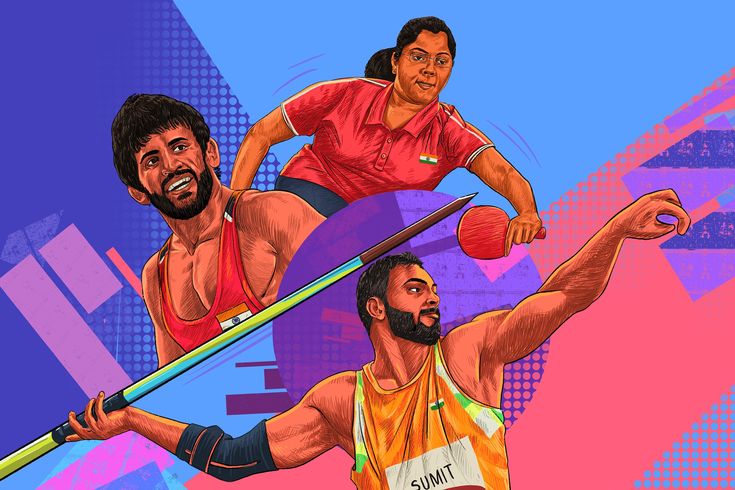
You sit in front of your television during the Olympics opening ceremony. The Indian contingent walks in and your chest swells with pride. Two weeks later you check the medal tally and feel that familiar sting of disappointment. If you have ever asked yourself why India wins so few Olympic medals when countries with a fraction of our population dominate the podium, you are asking one of the most important questions in Indian sports.
China wins dozens of medals with a similar population. Australia dominates with just twenty six million people. Jamaica produces world class sprinters from a tiny island. India has passion, talent, and numbers. Yet the medal count never matches expectations. Something fundamental is broken in how we identify, train, and support our athletes.
This article looks beyond emotional reactions and examines the structural, cultural, and systemic reasons behind India’s Olympic struggles. No blame games. Just honest analysis of what works elsewhere and what fails here.
Why India Performs Poorly in Olympics: Breaking Down the Numbers
Before pointing fingers, understand the scale of underperformance. India has competed in every Summer Olympics since 1920. For decades we returned with zero medals. Our first individual gold came only in 2008. Compare this to nations that started Olympic programs much later and surpassed us quickly.
Population is not the advantage people assume. Olympic success depends on how many athletes you train professionally, not how many citizens you have. India sends around one hundred athletes to the Olympics. The United States sends over six hundred. China sends a similarly large contingent. Our population advantage disappears when participation numbers tell the real story.
Here is what India Olympic medal tally history reveals about our performance:
- India won only two individual gold medals across all Summer Olympics before 2021
- Most medals came in hockey during the 1928 to 1980 period
- Post 2000 improvement is visible but remains modest compared to global standards
- Individual sports like shooting, wrestling, and badminton produced recent breakthroughs
- Team sports beyond hockey have never reached medal contention
- Paralympic performance has improved faster than Olympic performance in recent cycles
Why India Has Low Olympic Medal Count Despite Population
The population argument sounds logical but falls apart under scrutiny. Billions of people matter only if they participate in sports.
Sports Is Not a Viable Career Path
Indian parents dream of engineering, medicine, and government jobs. Sports rarely appears on that list. A talented twelve year old cricketer might get family support. A promising wrestler or swimmer usually faces resistance. Without parental backing, young athletes drop out before reaching competitive levels. Population becomes irrelevant when cultural pressure pushes talent away from sports.
No Systematic Talent Scouting
Countries like China and Australia identify athletic potential in primary schools. They test children for physical attributes, coordination, and temperament. Promising kids enter specialized training programs with full support. India lacks any nationwide scouting network. Exceptional athletes often get discovered by accident rather than design.
Poor School Sports Infrastructure
Most Indian schools treat physical education as a break between academic classes. Proper coaches, equipment, and competitive schedules are rare. Children never develop fundamental movement skills during crucial developmental years. By the time they reach adulthood, the window for building elite athletic foundations has closed.
Nutrition and Health Deficiencies
Childhood malnutrition stunts physical development across large sections of Indian society. Anemia affects over fifty percent of Indian women. Protein deficiency remains common. Athletes cannot emerge from populations struggling with basic health needs. Physical potential requires nutritional foundation that millions of Indian children simply do not receive.
Reasons India Doesn’t Win Olympic Medals: Systemic Failures
Beyond culture and nutrition, institutional problems cripple athlete development.
Fragmented Sports Governance
Multiple federations control different sports with minimal coordination. Politicians rather than sports professionals often lead these bodies. Administrative inefficiency delays funding, blocks athlete support, and creates internal conflicts. Athletes navigate bureaucratic maze instead of focusing on training.
Inadequate Funding for Non Cricket Sports
Cricket consumes the vast majority of corporate sponsorship and media attention. Olympic sports fight for scraps. Athletes in wrestling, boxing, and athletics often pay for their own equipment, travel, and coaching. International competitors train with full government backing and cutting edge facilities. Indian athletes compete at a structural disadvantage before the starting gun even fires.
Lack of Scientific Training Methods
Elite sports now depends on sports science. Biomechanics analysis, nutrition planning, recovery protocols, and mental conditioning separate medal winners from participants. Indian sports infrastructure still relies heavily on traditional coaching methods. Access to sports scientists, physiotherapists, and psychologists remains limited to a tiny elite.
Poor Competition Exposure
Athletes need regular international competition to benchmark themselves and adapt to global standards. Indian athletes often compete domestically until major events. Sudden exposure to world class competition at the Olympics overwhelms them. Countries with robust competition calendars produce athletes who arrive at the Olympics battle tested.
India vs China Olympic Medals Comparison: What China Does Differently
China offers the most relevant comparison. Both nations have massive populations. Both started from modest sporting backgrounds. Yet China now consistently ranks among top medal winning nations.
State Sponsored Athletic Schools
China operates thousands of specialized sports schools. Children identified with athletic potential enter full time training at young ages. The state provides education, housing, coaching, and nutrition. Parents support this path because it offers security and social mobility. India has nothing comparable at scale.
Targeted Medal Strategy
China focuses resources on sports with multiple medal events and less global competition. Weightlifting, diving, gymnastics, and shooting receive disproportionate investment. This strategic targeting maximizes medal returns. India spreads limited resources thinly across too many sports without clear prioritization.
Long Term Coach Development
China invests heavily in coaching education. Their coaches study sports science, biomechanics, and international best practices. Indian coaching certification programs remain outdated. Many coaches learned their methods decades ago and never updated their knowledge.
Ruthless Performance Standards
Chinese athletes face continuous evaluation. Underperformers get replaced. Systems reward results, not seniority or connections. Indian sports sometimes protects underperforming athletes and officials due to political or regional considerations. Meritocracy drives improvement. Nepotism drives stagnation.
Why China Wins More Olympic Medals Than India: Cultural Differences
Beyond systems, cultural attitudes shape sporting outcomes dramatically.
National Pride Through Sports Achievement
Chinese leaders explicitly link Olympic success to national prestige. Citizens celebrate medal winners as national heroes. Schools teach children that sporting excellence serves the country. This cultural framing motivates families to support athletic careers. Indian culture celebrates academic and professional achievement far more than sporting success.
Acceptance of Athletic Sacrifice
Chinese families accept that athletic training requires missing school, moving away from home, and enduring physical hardship. Indian families generally resist such sacrifices for sports. The social cost of pursuing athletics remains too high for most middle class families.
Media and Corporate Ecosystem
Chinese media covers Olympic sports extensively throughout the year, not just during the Games. Corporations sponsor athletes across multiple sports. This ecosystem creates visibility, funding, and career security that attracts talent. India’s sports media focuses almost exclusively on cricket.
What Needs to Change for India to Improve
Hope is not a strategy. Specific structural changes could transform India’s Olympic trajectory.
Invest Early in School Sports
Every government school needs proper playgrounds, basic equipment, and trained physical education teachers. Annual inter school competitions should feed into district and state level programs. Talent identification must start at age eight, not eighteen.
Create Viable Career Pathways
Athletes need assurance that sports can provide livelihood. Government jobs for medal winners help but reach too few. Corporate sponsorship expansion, sports management careers, and coaching pathways must develop. Parents will support athletic careers only when they see secure futures.
Establish Regional Training Centers
India needs world class training facilities in multiple regions, not just one national center. Each center should specialize in specific sports based on regional strengths. Haryana for wrestling. Kerala for athletics. Manipur for boxing. Regional specialization builds expertise and reduces travel burden on athletes.
Reform Sports Federation Governance
Sports bodies need professional management, transparent funding, and athlete representation. Politicians with no sports background should not control athletic destinies. Independent oversight and performance audits would reduce corruption and improve outcomes.
If you are a young athlete, parent, or sports administrator looking for guidance on building sustainable athletic careers or improving local sports infrastructure, reach out to us through our Contact Us page. Our sports development consultants help communities and individuals create pathways from raw talent to competitive excellence.
FAQs
Why India wins so few Olympic medals despite 1.4 billion people?
Population does not equal Olympic success. India lacks systematic talent scouting, adequate funding for non cricket sports, scientific training infrastructure, and cultural support for athletic careers. Countries with smaller populations outperform India because they invest heavily in athlete development pipelines and treat sports as national priority.
Why India performs poorly in Olympics compared to smaller countries?
Smaller countries like Australia and Jamaica invest disproportionately in sports infrastructure and coaching. They identify talent early and provide full support through specialized training systems. India spreads limited resources thinly across too many sports while cricket dominates funding and attention. Quality of sports development matters more than quantity of citizens.
What are reasons India doesn’t win Olympic medals?
Key reasons include lack of viable sports careers discouraging participation, poor school sports infrastructure, inadequate funding for Olympic sports, outdated coaching methods, insufficient international competition exposure, and fragmented sports governance. Malnutrition and health deficiencies in childhood also limit physical development of potential athletes.
India vs China Olympic medals comparison: why the gap?
China operates thousands of state sponsored sports schools, targets medal rich sports strategically, invests in modern coaching education, and links athletic success to national prestige. India lacks comparable infrastructure, funding, and cultural support. China’s systematic approach produces consistent results while India’s fragmented efforts yield sporadic breakthroughs.
Why China wins more Olympic medals than India with similar population?
China treats Olympic success as national priority with dedicated funding, specialized schools, scientific training, and cultural acceptance of athletic sacrifice. India prioritizes academics and professional careers over sports. Chinese athletes receive full state support from childhood while Indian athletes often self fund until reaching elite levels.
What is India Olympic medal tally history?
India has competed in every Summer Olympics since 1920 with modest results. Most pre 2000 medals came from hockey. First individual gold arrived in 2008 through Abhinav Bindra in shooting. Recent improvements in wrestling, badminton, and athletics show progress but remain far below global standards for a nation of India’s size and resources.